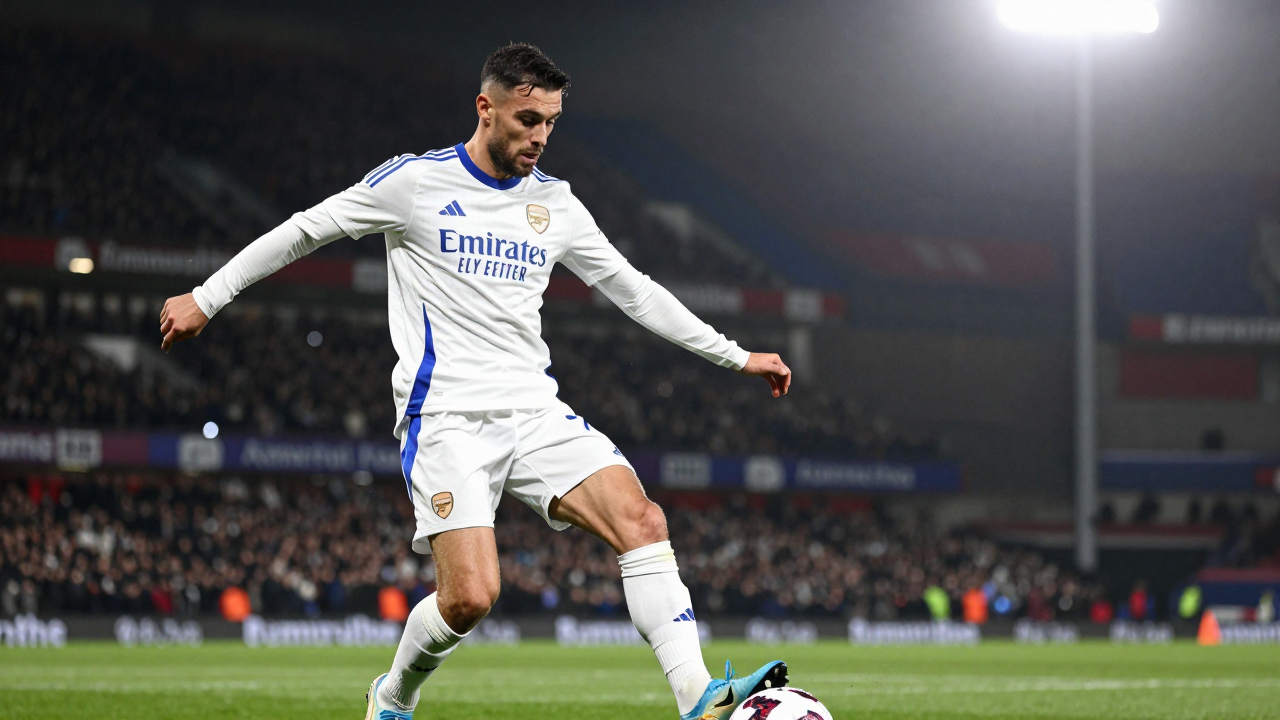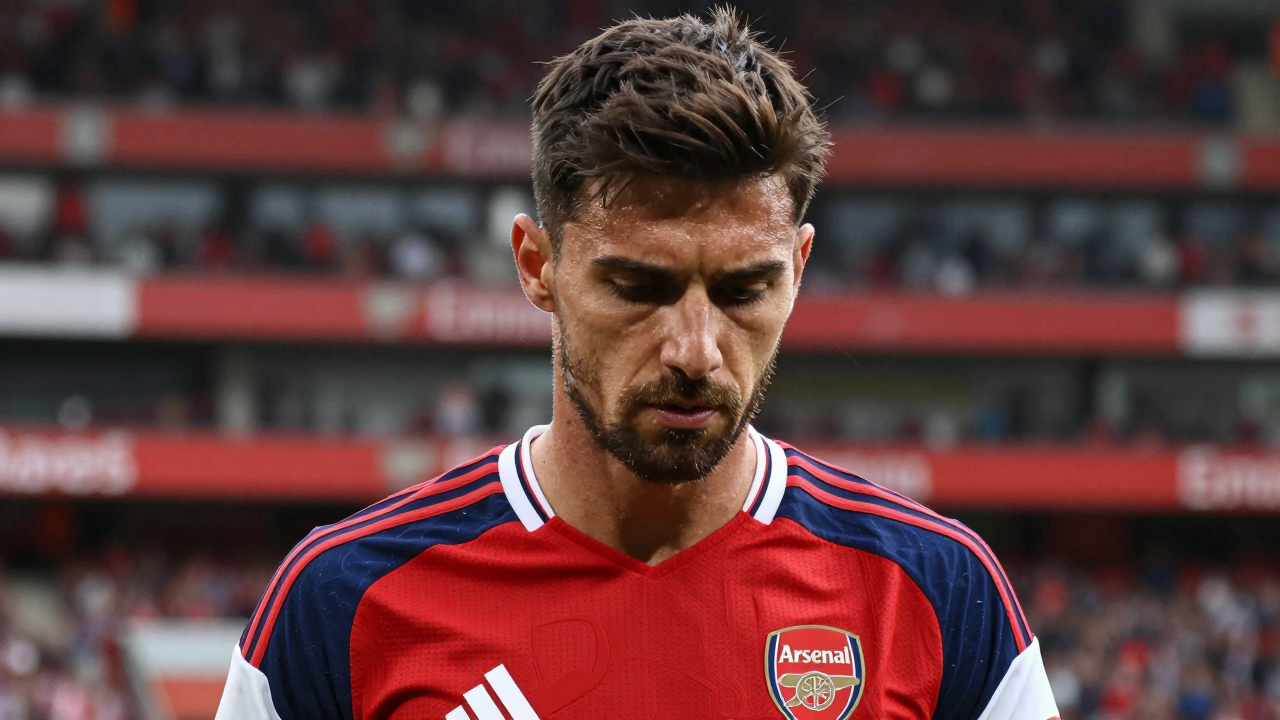
Tactical Analysis of Arsenal’s Recent Form
Arsenal has showcased a blend of attacking flair and defensive solidity in their recent fixtures. However, as the season progresses, there are underlying tactical nuances that could be optimized to ensure the Gunners maintain their competitive edge. With Mikel Arteta at the helm, the focus on possession-based football has been evident, but adjustments in certain areas can elevate the team's performance to new heights.
1. Midfield Dynamics
The midfield has been the heartbeat of Arsenal’s play, with players like Declan Rice and Martin Ødegaard controlling the tempo. However, there are moments during matches where the midfield seems to become stagnant, resulting in predictable passing patterns. To counter this, Arteta might consider implementing a more fluid approach, allowing Ødegaard to roam and connect with the forwards more dynamically. By encouraging Rice to push forward at times, the team can create overloads in attacking areas, making it harder for opponents to set up defensively.
2. Wing Play Adjustments
While Bukayo Saka and Gabriel Martinelli have been instrumental in providing width and pace, their positioning can limit Arsenal’s attacking options. Instead of maintaining traditional wide roles, Arteta could experiment with these players cutting inside more frequently to create space for overlapping full-backs like Oleksandr Zinchenko and Ben White. This would not only diversify Arsenal's attacking threat but also create opportunities for clever interplays in and around the box, making it challenging for defenders to track movements.
3. Pressing Strategy
Arsenal's high press has been a hallmark of their game under Arteta, yet it has shown signs of inconsistency. There are instances where the press is initiated too late or not at all, allowing opponents to build from the back comfortably. A more synchronized pressing system, emphasizing triggers for when to engage the opposition, could lead to increased turnovers in dangerous areas. Arteta might also look to adjust the roles of forwards in the press, ensuring that they apply pressure effectively while maintaining defensive shape.
4. Defensive Cohesion
The backline has generally been solid, yet there have been lapses in concentration that have led to avoidable goals. To fortify this area, Arteta could benefit from instilling a stronger communication framework among defenders. Incorporating a more zonal marking system during set-pieces could reduce the chances of conceding from corners and free-kicks, ultimately leading to a more robust defensive unit.
5. Substitution Patterns
Finally, the timing and nature of substitutions can significantly affect momentum during matches. Rather than waiting for a crisis point to make changes, Arteta might look to introduce fresh legs earlier, particularly in midfield and attack, to maintain intensity. This proactive approach can disrupt the opponent's rhythm and provide Arsenal with a late-game advantage.
Conclusion
Overall, Arsenal's recent form is a testament to the progress made under Arteta. However, by making tactical tweaks in midfield dynamics, wing play, pressing strategy, defensive cohesion, and substitution patterns, the Gunners could further enhance their effectiveness and continue competing at the highest level. As the season unfolds, these adjustments could be the key to unlocking a more dominant Arsenal side.