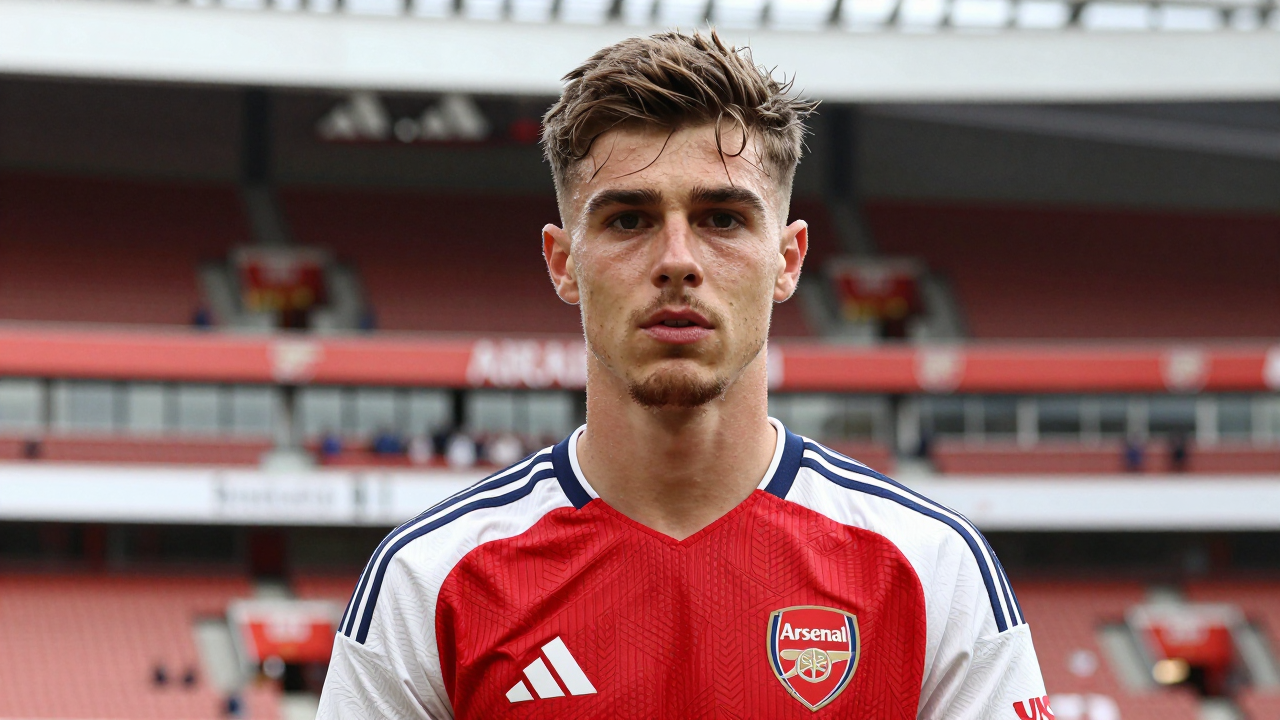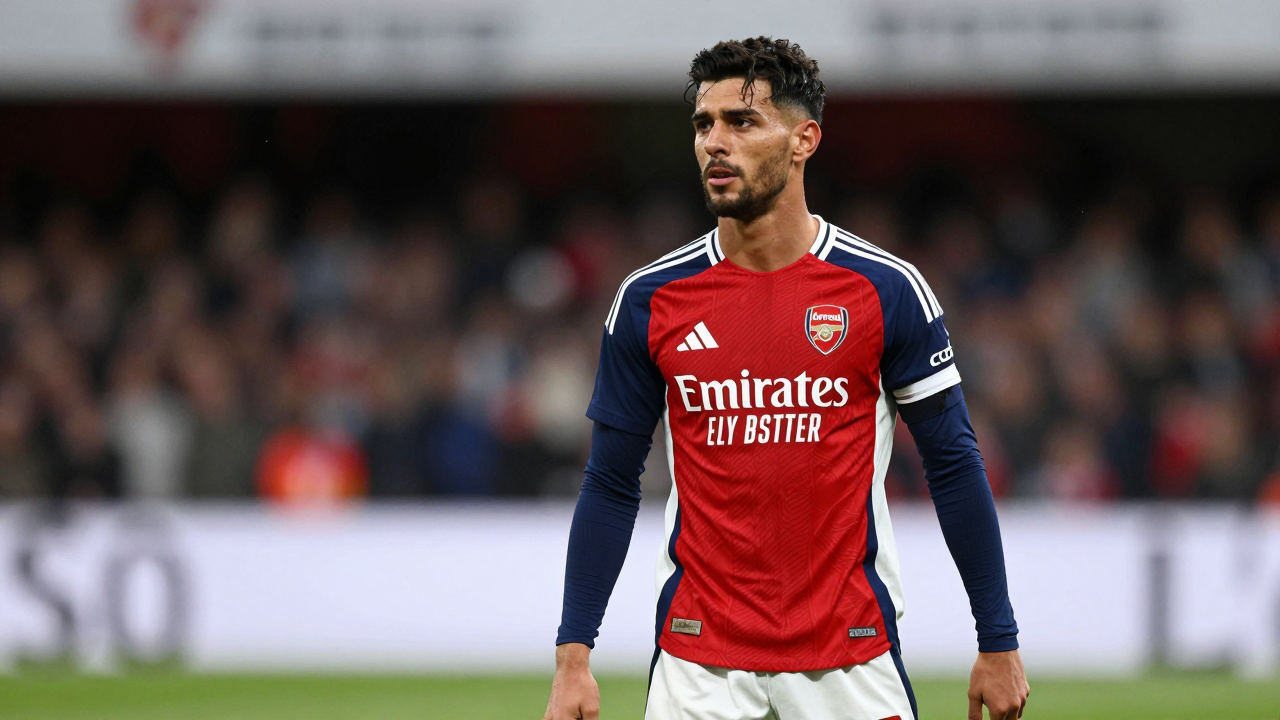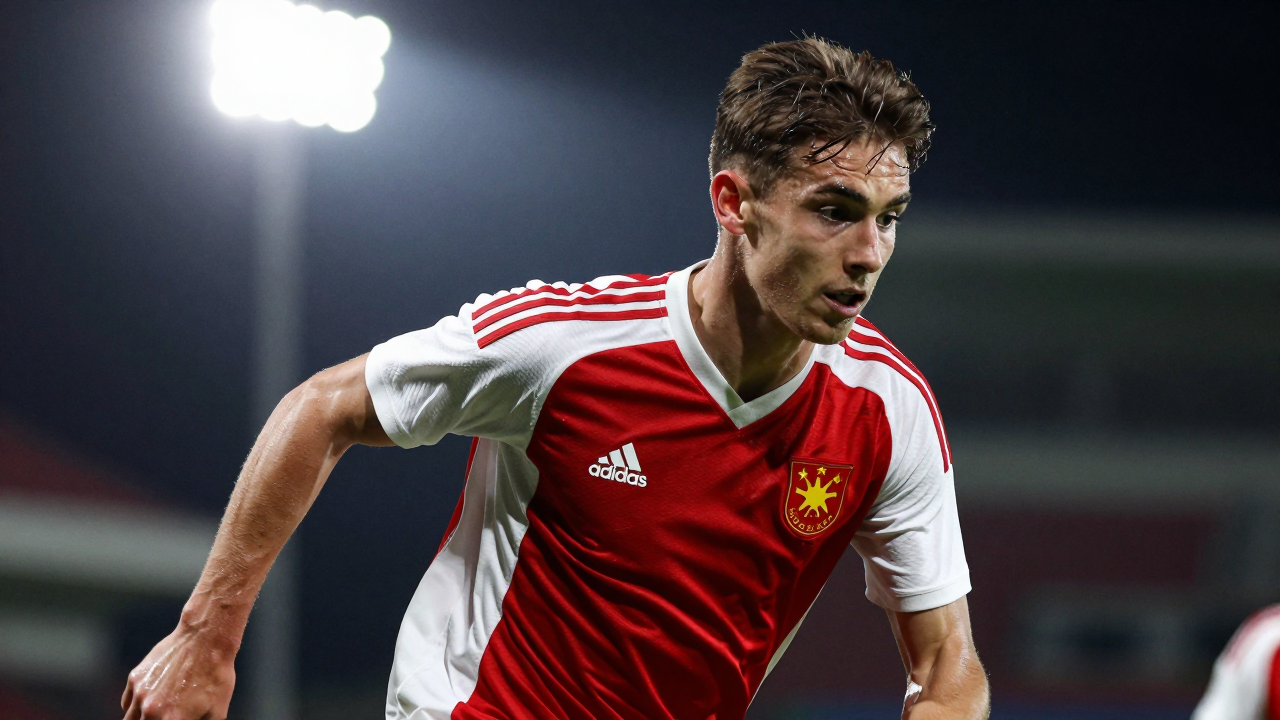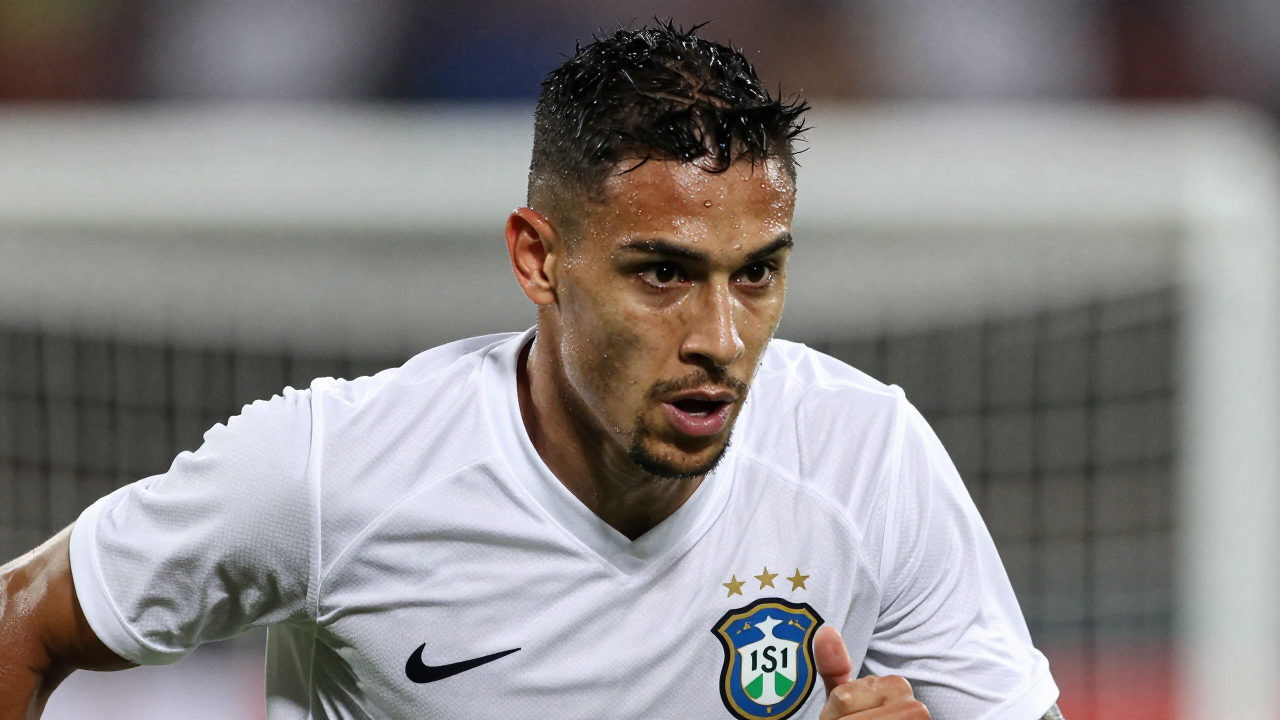

Arsenal's journey in this season's UEFA Champions League has culminated in a dramatic final against Paris Saint-Germain at Atatürk Olympic Stadium on 29 May 2026. Despite a valiant effort, the Gunners fell to a 3-1 defeat on aggregate, leaving fans in shock and disappointment. The match was marred by controversial officiating and a late penalty that ultimately decided the fate of the game, leading to questions about the integrity of the officiating throughout the tournament.
Referee Controversy and Penalty Heartbreak
The final was not just a battle on the pitch but also against questionable refereeing decisions. Many fans and pundits alike pointed out that the officiating, particularly in the second leg, significantly influenced the outcome. A pivotal moment occurred in the 87th minute when Kylian Mbappé was awarded a penalty after a dubious challenge from Gabriel Magalhães. This decision sparked outrage among Arsenal supporters, with many believing that the contact was minimal and not worthy of a penalty kick.
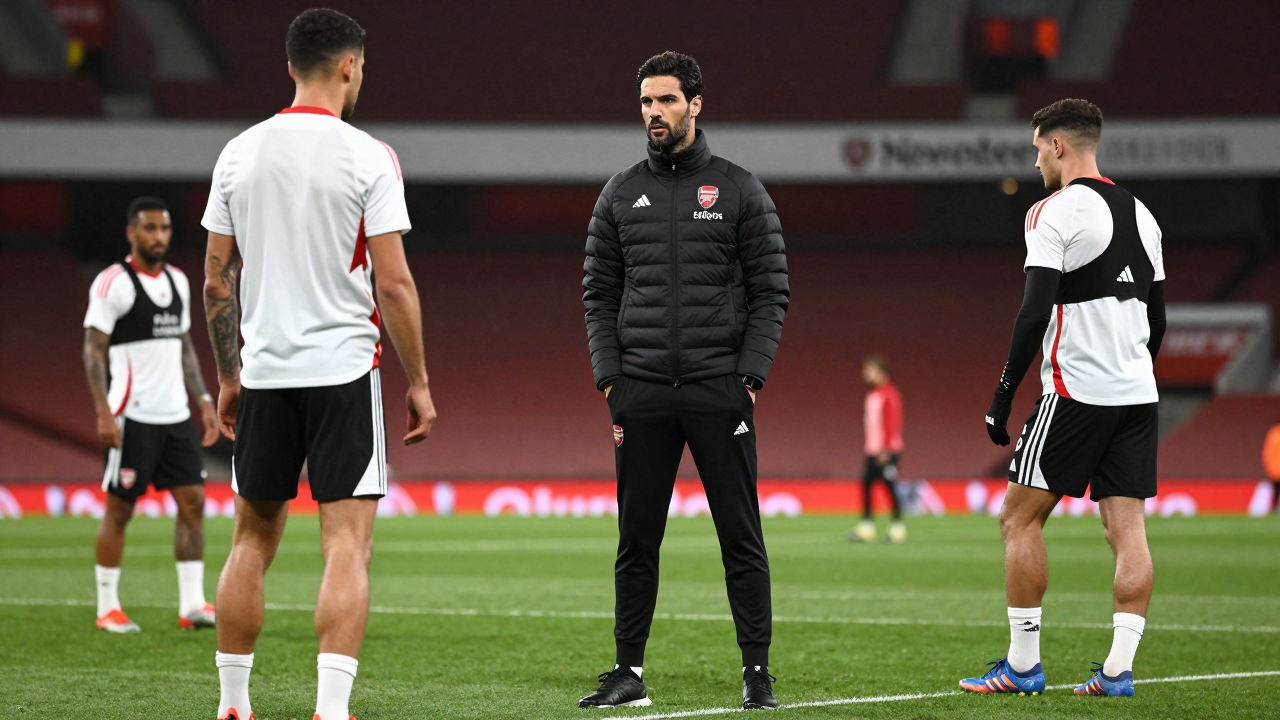
In the aftermath, Arsenal's manager Mikel Arteta expressed his frustration with the officiating, stating that such decisions can alter the course of a match. Critics argue that the penalty was a turning point, as it not only allowed PSG to extend their lead but also demoralised the Gunners in a high-stakes situation. The sense of injustice felt by fans is palpable, with many calling for reforms in VAR and officiating standards in European competitions.
Tactical Breakdown: Arsenal's Approach
Throughout the tournament, Arsenal showcased a blend of tactical discipline and attacking flair, which propelled them to the final. Arteta opted for a 4-2-3-1 formation, allowing the midfield to control the tempo while providing width through their full-backs. In the final, however, the Gunners struggled to implement their game plan effectively against a well-drilled PSG side.
- Defensive Solidity: Arsenal’s backline, led by William Saliba and Gabriel, had been stellar throughout the campaign but faced relentless pressure from PSG's front three.
- Midfield Battle: The Gunners' midfield, anchored by Thomas Partey, found it challenging to dominate possession, often being outnumbered by PSG’s fluid attacking movement.
- Attacking Threat: Up front, Gabriel Jesus and Bukayo Saka posed a constant threat, yet they lacked the service required to convert chances into goals.
In retrospect, Arteta's decision to stick with a high line against the pace of Mbappé and Lionel Messi proved costly, as PSG exploited the spaces left behind. This tactical misstep is something Arteta will need to address as Arsenal look to build on this experience in future campaigns.
Player Ratings: Who Shone and Who Struggled
Individual performances in the final were mixed, with some players stepping up while others fell short on the biggest stage. Here's a quick rundown:
- Aaron Ramsdale (6/10): Made several crucial saves but couldn’t stop the penalty.
- Ben White (5/10): Struggled against the pace of Mbappé, leading to defensive lapses.
- Thomas Partey (7/10): Was solid in midfield but lacked support during key moments.
- Gabriel Jesus (6/10): Worked hard but failed to convert any chances.
The ratings reflect a team that, while resilient, could not find its rhythm against an experienced PSG outfit. Arteta will need to analyse these performances closely to identify areas for improvement.
What This Means for Arsenal
The defeat in the Champions League final is more than just a bitter pill to swallow; it highlights the gap between Arsenal and the elite clubs in Europe. For a club that has long sought to reclaim its status among Europe’s best, this loss serves as a sobering reminder of the challenges that lie ahead.
Fans are understandably disappointed, having witnessed their team’s progression to the final after years of struggle in the competition. However, this campaign has also reignited hope and belief in the Arteta project. The Gunners have shown they can compete at the highest level, but to make that leap from contenders to champions, they must address key weaknesses in squad depth and tactical flexibility.
The Wider Champions League Picture
As Arsenal reflects on their Champions League journey, it’s essential to consider the broader implications for the tournament. PSG's triumph solidifies their status as a dominant force in European football, having secured their third Champions League title. The Gunners, while disappointed, should take solace in the competitive nature of this year’s tournament.
Other notable teams, such as Real Madrid and Manchester City, also made deep runs, further demonstrating the challenges that clubs like Arsenal face in breaking into the upper echelons of European football. This season has been a testament to the evolving landscape of football, where tactical innovation and squad depth are key determinants of success.
Fan Reaction and Outlook
The aftermath of the final has ignited a wave of emotions among Arsenal supporters. Social media platforms have been flooded with reactions, ranging from outrage over the refereeing decisions to calls for strengthening the squad ahead of next season. Many fans believe that this loss should serve as motivation for the players and management to push harder in the domestic league and European competitions.
- Frustration with Refereeing: Many fans are vocal about the need for better officiating standards.
- Support for Arteta: Despite the defeat, a significant portion of the fanbase remains supportive of Arteta's vision for the club.
- Calls for Reinforcements: The consensus among supporters is clear: Arsenal needs to bolster its squad to compete effectively next season.
As Arsenal prepares for the future, the fanbase is hopeful that lessons learned from this final will translate into a more competitive team next season. If you’ve followed Arsenal's trajectory this year, you’ll know that the hunger for success is palpable.
What's Next
Looking ahead, Arsenal must regroup and reassess their strategy for the upcoming season. The disappointment of the Champions League final should serve as a catalyst for growth, pushing the team to refine their tactics and strengthen their squad. The focus now will shift to the Premier League, where consistency will be key to securing a top-four finish and another shot at European glory.
As the summer transfer window approaches, Arsenal's management will need to identify key targets to bolster the squad. With a blend of youth and experience, Arteta has the opportunity to reshape the team and build on the foundation laid this season. If they can channel the pain of this defeat into motivation, the Gunners could emerge as serious contenders in both the league and European competitions next season.