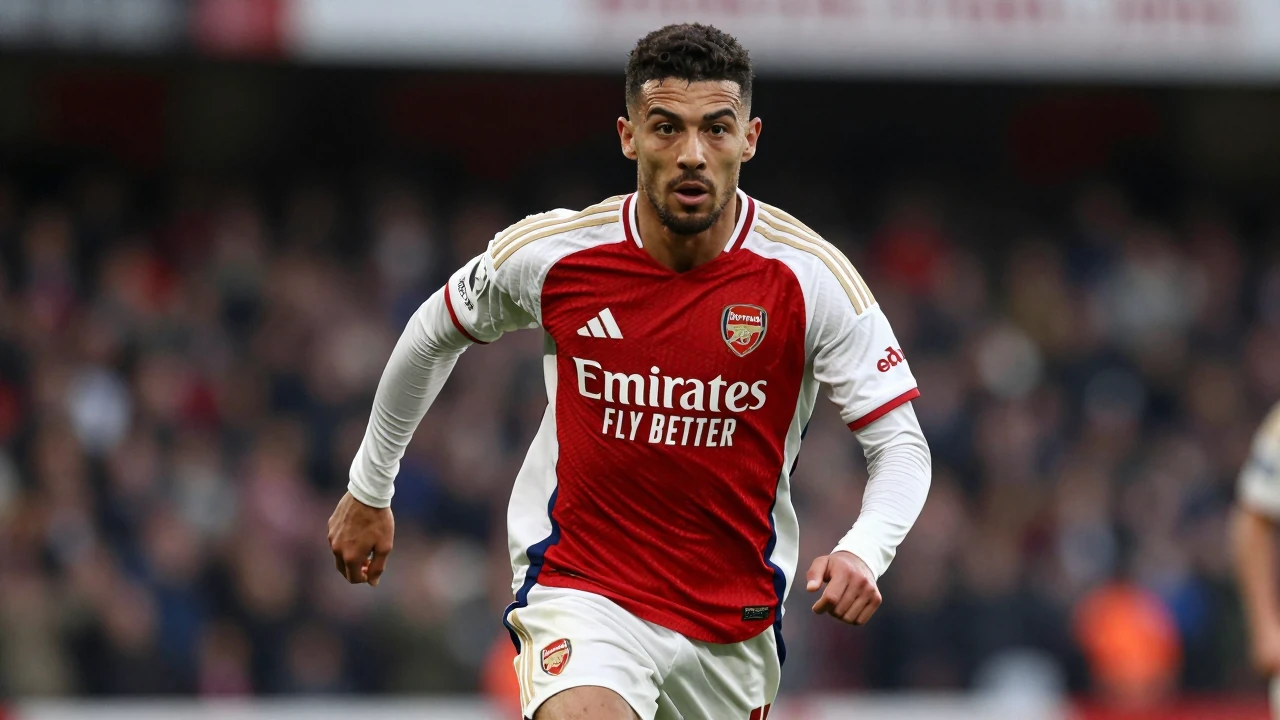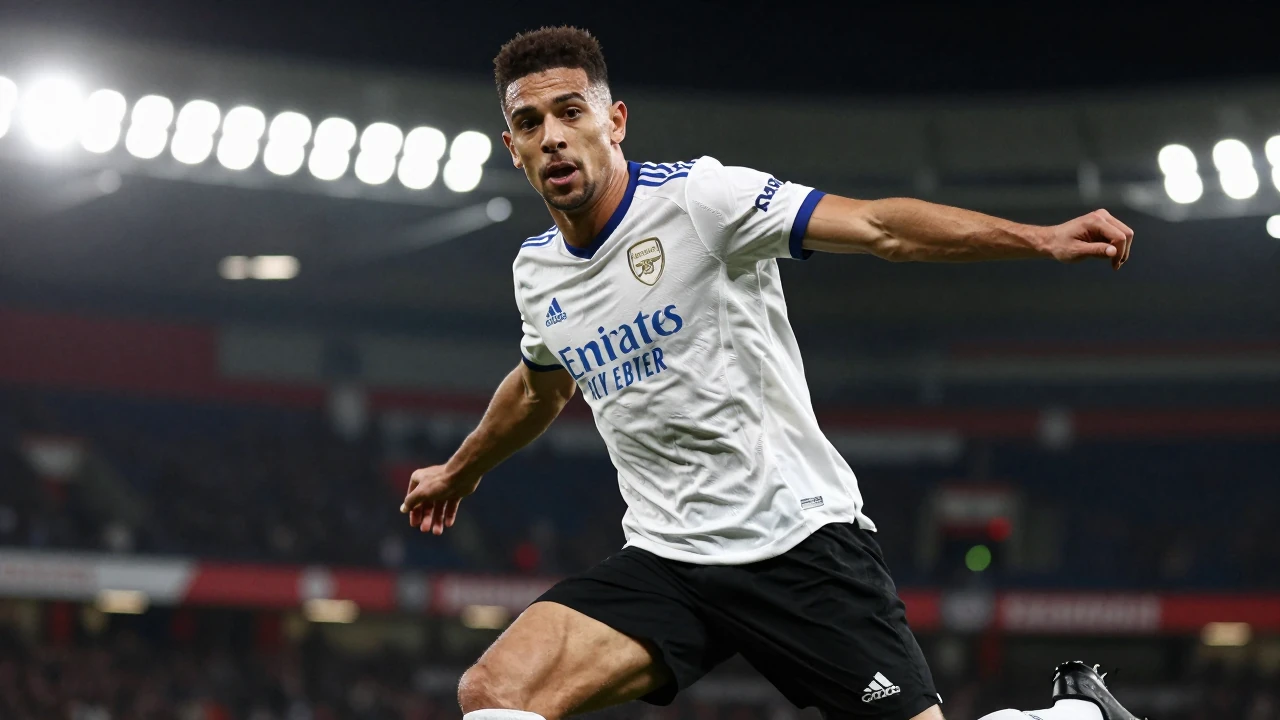
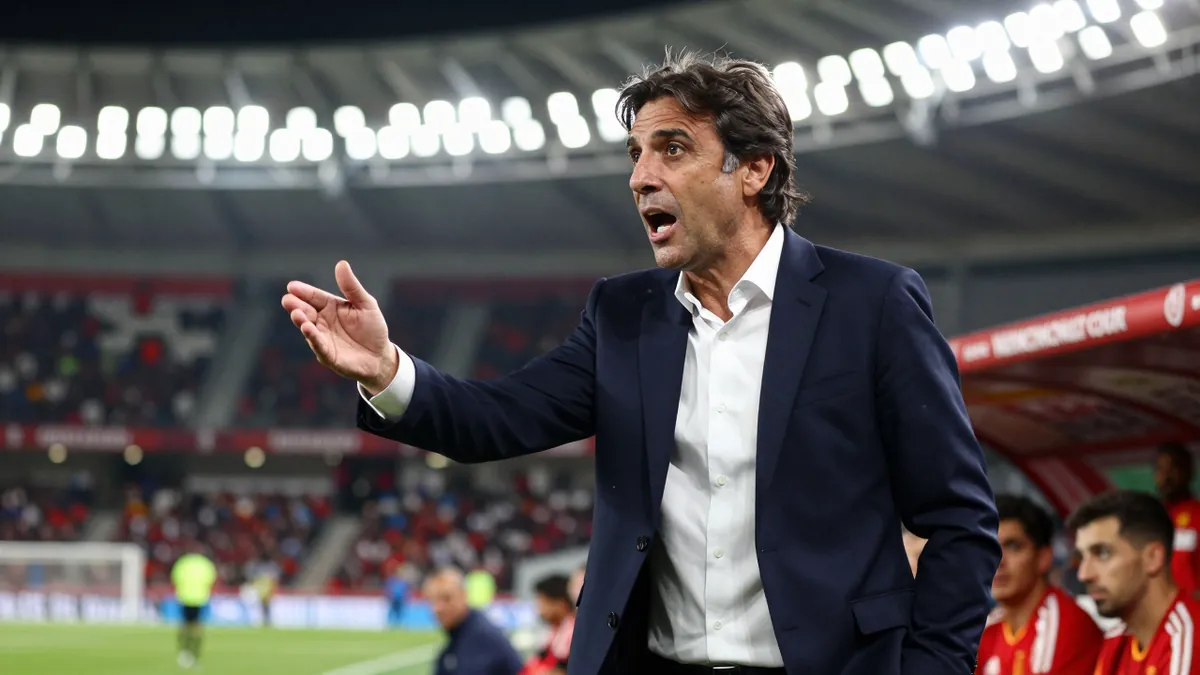
Arsenal’s 2025 Premier League title win under Mikel Arteta reflects Spain’s deep-rooted collective football culture, where team success often outweighs individual glory. The Gunners, who finished 7 points clear of Manchester City with 85 points (26W-7D-5L), shared the attacking load across 18 different goalscorers, their most since Arteta’s appointment in 2019. Summer signing Viktor Gyokeres was their top scorer with 14 goals, the second-lowest leading-scorer total of any Premier League champions since 2000.
Spain’s emphasis on collective play has shaped modern football, from Pep Guardiola’s possession-based style to the dominance of the national team from 2008 to 2012. Arsenal’s success under Arteta mirrors this philosophy, with a strong defensive foundation and a cohesive network of players. The team’s recent form (5W-0D-0L, including a 2-1 win over Crystal Palace on 2026-05-24) highlights their ability to thrive as a unit rather than relying on individual stars.
The Premier League’s competitive nature demands adaptability and resilience, qualities that Spain’s collective football culture fosters. Arsenal’s ability to share the attacking load and maintain a strong defensive record (71 goals scored, 27 conceded) has been key to their success. This approach has also been evident in other Spanish-managed teams, such as Aston Villa under Unai Emery, who won the Europa League last season.
Arsenal’s next fixture is a home game against Coventry on 2026-08-21. With key players like Louie Copley and Ben White currently sidelined, the team will need to continue their collective effort to maintain their winning streak. The Gunners’ ability to adapt and thrive as a unit will be key as they aim to defend their Premier League title.