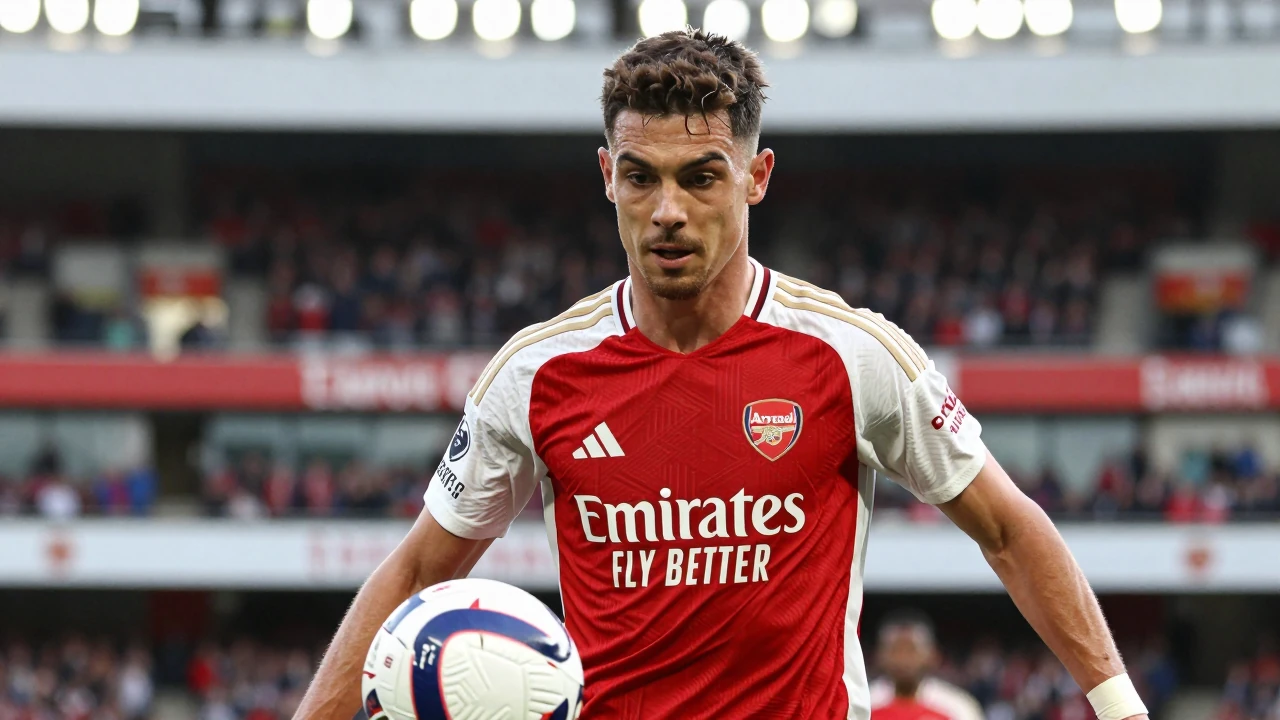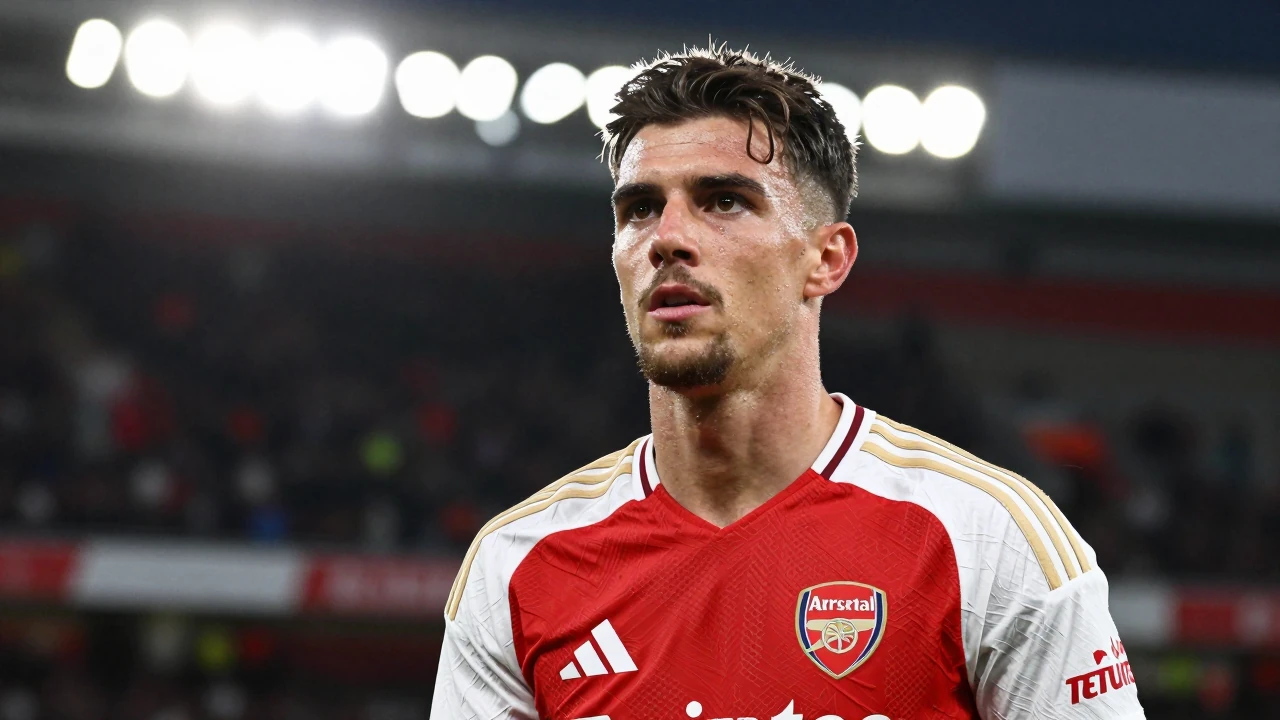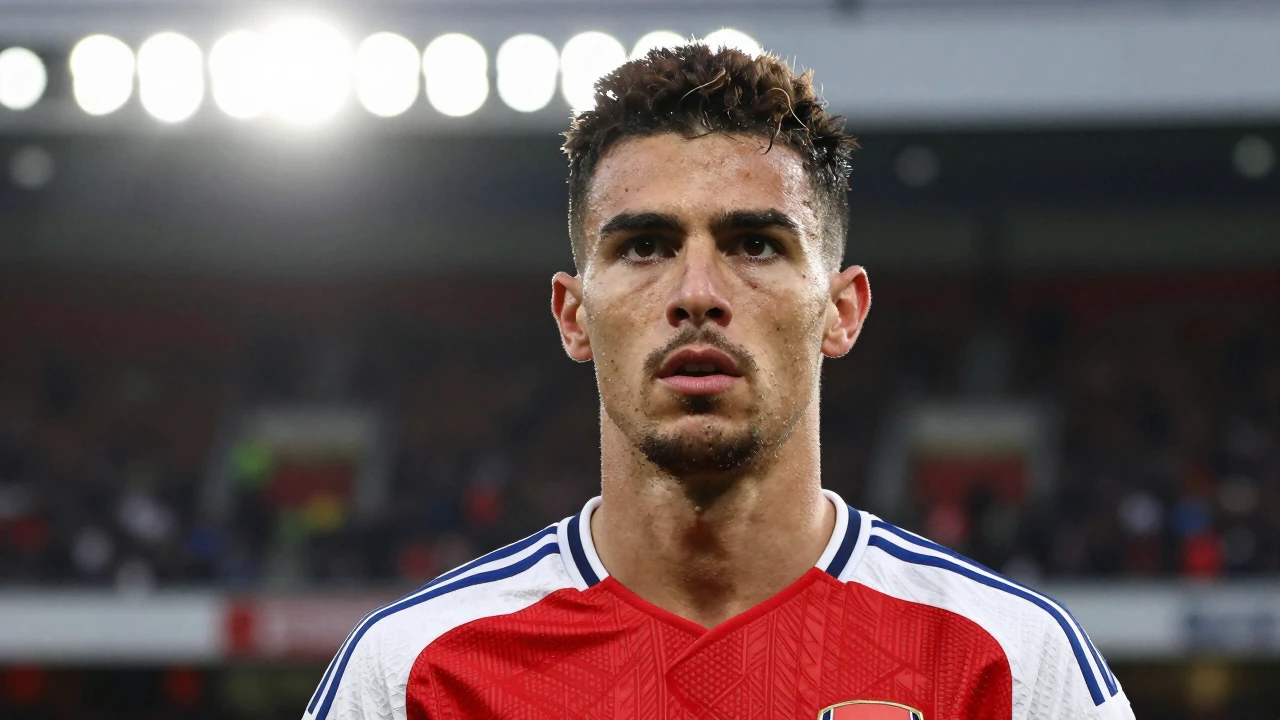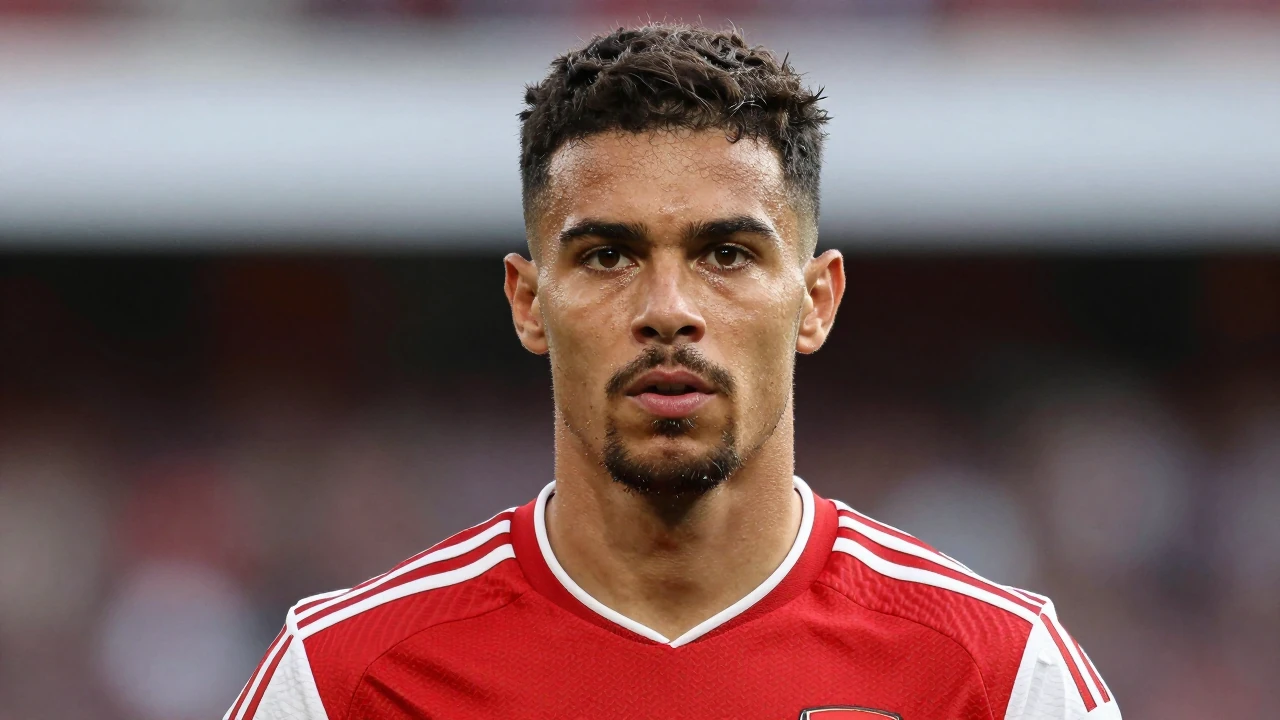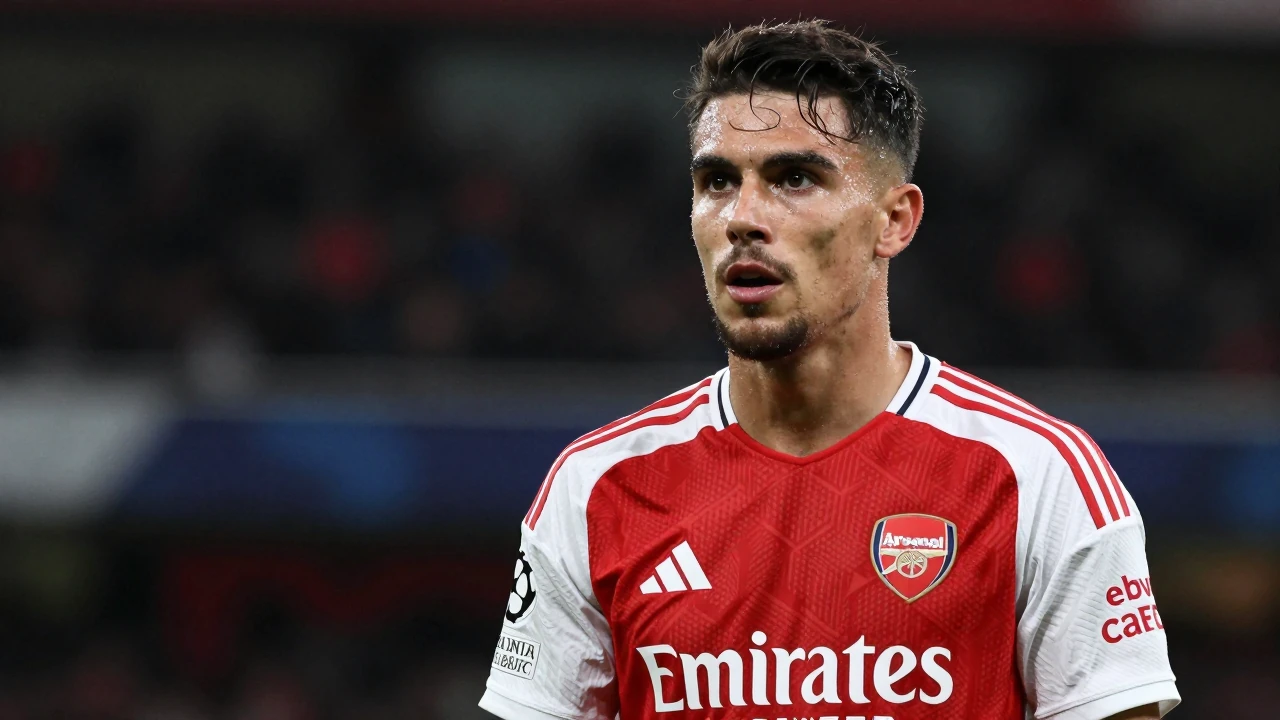
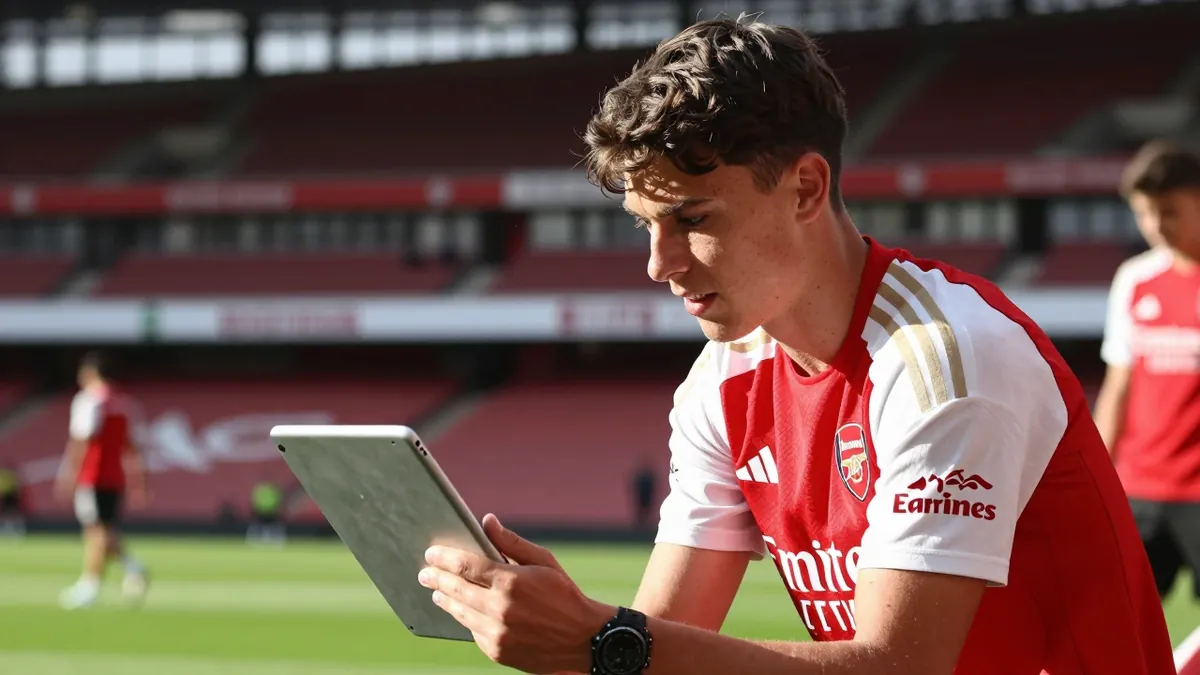
Arsenal's academy overhaul is producing a new wave of Hale End talent through aggressive recruitment and strategic leadership changes. The club's youth system has undergone significant restructuring to compete for the best young players and develop future first-team stars.
This rebuild comes as the senior team sits 3rd in the Premier League with 3 points from one game, having scored 3 goals without conceding. They trail leaders Manchester City by 3 points ahead of their next fixture against Aston Villa, though they face it without several key players currently sidelined including Gabriel Jesus and William Saliba.
Pascal de Maesschalck took over as Arsenal academy director after Per Mertesacker's eight-year tenure ended in summer 2024. The 52-year-old Belgian brings extensive experience from roles as technical director at Strasbourg, ten years heading Club Brugge's academy, and three years leading Monaco's youth development. His appointment represents a deliberate shift in philosophy.
Working alongside de Maesschalck is David Horseman, who replaced Max Porter as Under-21s head coach. Horseman's appointment was overseen by Mikel Arteta, Albert Stuivenberg, and de Maesschalck. With nearly 15 years in professional academies starting at Bristol City, Horseman returned to Arsenal after brief spells at Forest Green Rovers, Bristol City as caretaker, and Manchester United. His experience aims to improve results after the Under-21s won just eight of 21 Premier League 2 matches last season.
Arsenal face fierce competition from rivals poaching their top prospects. Manchester City hijacked their move for Leicester winger Jeremy Monga, while Tottenham beat them to West Ham's Under-15s star Isaac Allen. Kyran Thompson left for Newcastle United and Mishel Nduka joined Manchester City.
The club fights back with its own aggressive recruitment. They've signed 18-year-old defender Elijah Upson from Tottenham, son of former Arsenal centre-back Matt Upson. Sixteen-year-old midfielder Axel Donczew joined from Cardiff City, and Mylo Bernard arrived from Crystal Palace. Arsenal are set to beat multiple clubs to Blackburn Rovers striker Igor Tyjon, 18. This follows previous successful recruitment from Scotland and Ireland including Callan Hamill, Evan Mooney and Ceadach O'Neill.
Folarin Balogun's £34.3 million sale to Monaco in August 2023 represents the ideal pathway Arsenal wants to replicate. The striker's deal includes a 17.5% sell-on clause as he's been linked with clubs like Tottenham, showing how academy products can generate significant revenue.
Mika Biereth provides another example. Signed from Fulham's academy in 2021, he was sold to Sturm Graz for £4 million in 2024. Arsenal's 30% sell-on clause yielded more profit when Sturm Graz sold him to Monaco for £12.8 million in January 2025. These sales fund further academy investment while creating pathways for young players.
Results have been mixed but show promising signs. The Under-21s suffered a 7-0 defeat to Liverpool in January 2024. However, the Under-19s snapped a 16-game winless streak across Under-18s, 19s and 21s with a 4-2 victory over Bayern Munich in the UEFA Youth League in November 2025.
Max Dowman scored twice in that Bayern match after making a handful of first-team appearances. Andrea Berta described the academy's mission as "identifying the best emerging talent to join Arsenal on a journey towards professional football."
The overhaul positions Arsenal to develop homegrown talent while generating transfer revenue. With the senior squad dealing with injuries to five key players, the academy's success becomes increasingly important for squad depth. Fans can track the progress of both senior and youth teams through our squad and standings pages.
As the club prepares for their next Premier League fixture, the renewed focus on youth development represents a long-term strategy to sustain competitiveness. The current recruitment drive and structural changes aim to ensure Hale End continues producing players who can impact the first team while creating valuable assets for the club's financial sustainability.