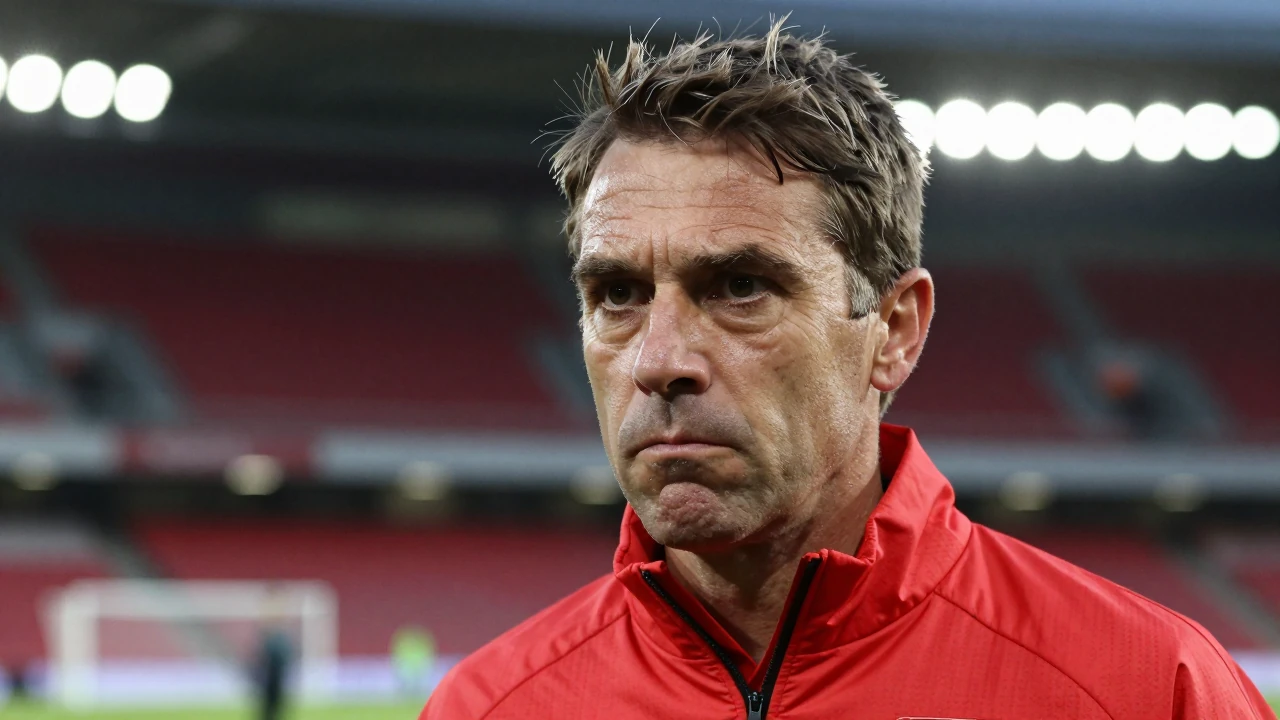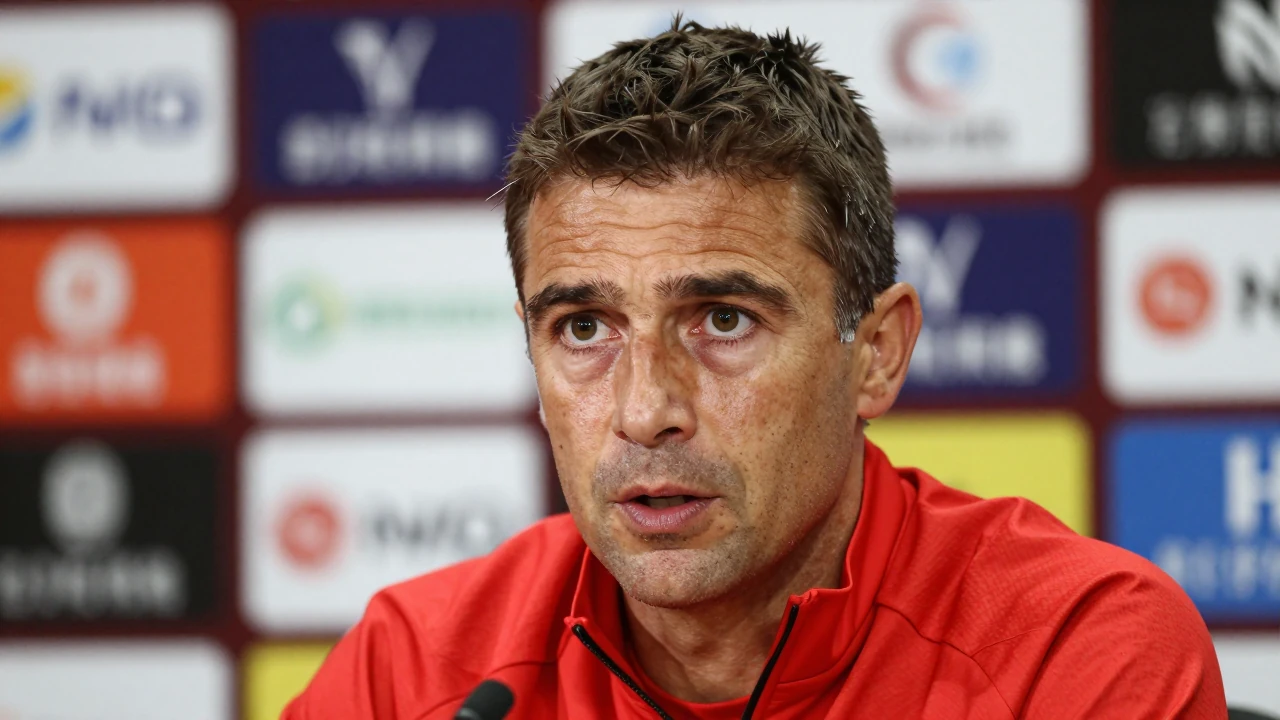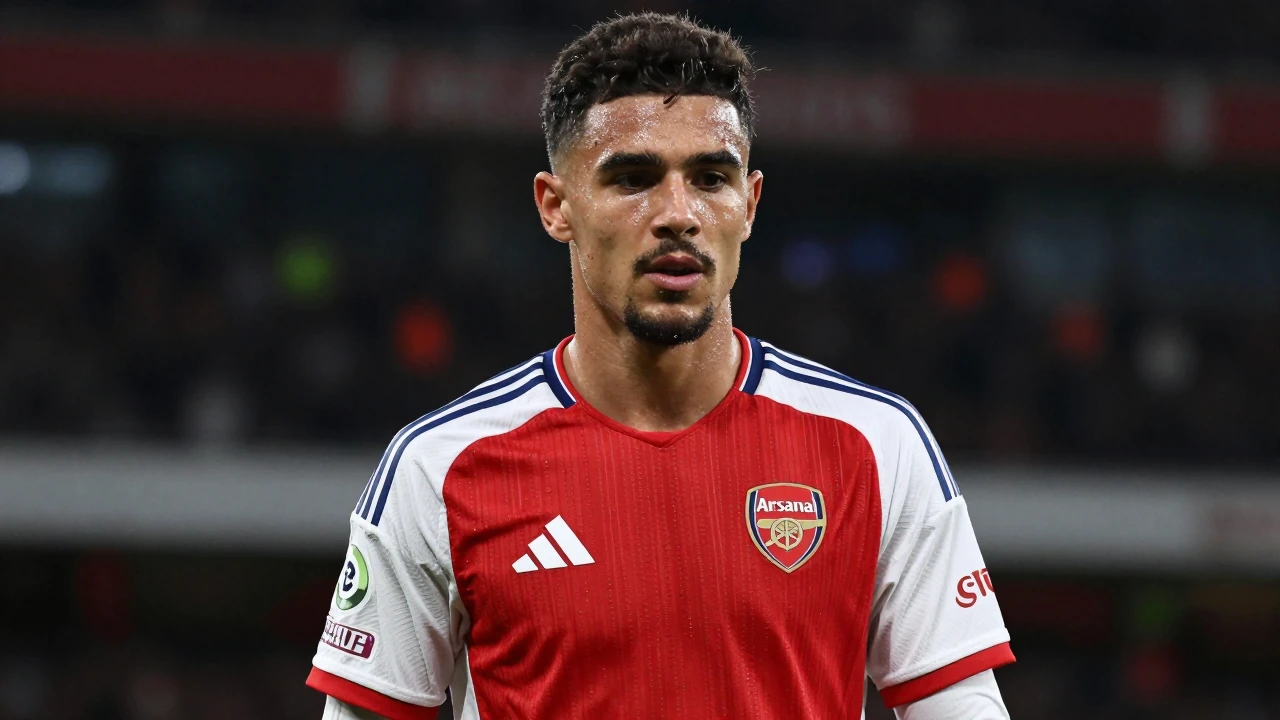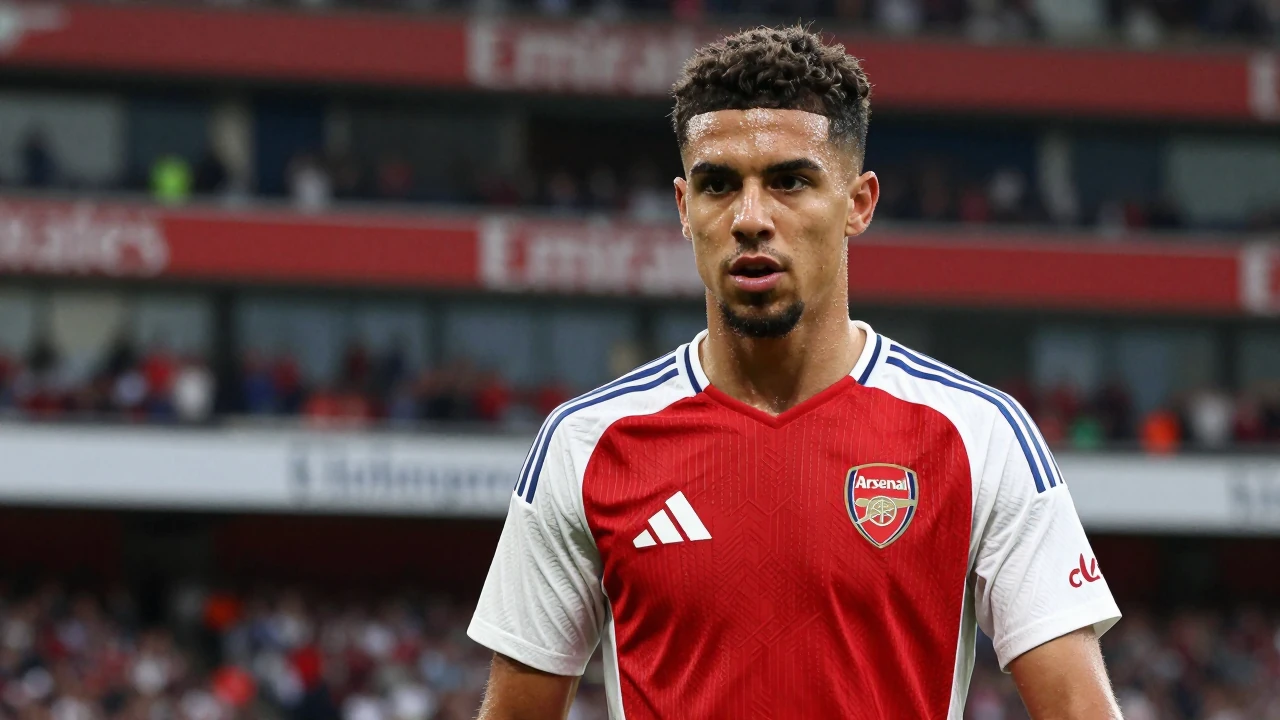
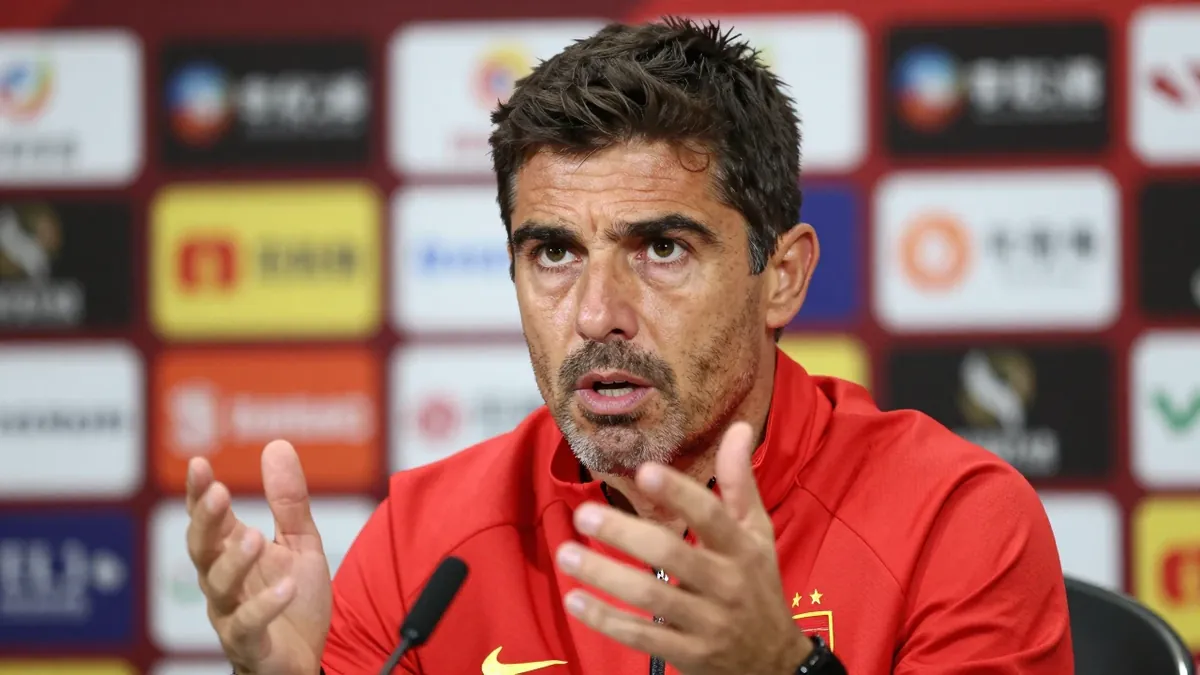
Mikel Arteta has declared his Arsenal squad is stronger than the group that won the Premier League last season, challenging his players to prove it on the pitch. The manager's confidence comes despite a transfer window that saw significant attacking departures and only one forward arrival, with the team currently second in the table after winning their opening two matches.
Arteta made his assessment this week. Arsenal have started the 2026-27 campaign perfectly, securing six points from two games with four goals scored and none conceded. Their next test is a home clash with Chelsea on September 6th, a fixture that will provide an early measure of their credentials.
The summer transfer window brought notable changes to Arsenal's forward options. The club sold experienced attackers Leandro Trossard, Gabriel Jesus, and Gabriel Martinelli. Their sole attacking signing was Christos Tzolis, who joins Eberechi Eze as the primary options on the left wing. This represents a significant shift in personnel from the group that secured the league title.
In midfield, Arsenal added experience by signing Bruno Guimaraes. The 28-year-old Brazilian arrived from Newcastle United, where he served as captain for four-and-a-half years. His acquisition is seen as a move to bolster the engine room and provide leadership.
Arsenal's title triumph was achieved despite a series of major injury setbacks that stretched their squad depth. Kai Havertz suffered a significant knee injury on the opening day of the 2025-26 campaign away at Manchester United. He managed to play only 18.7% of available minutes across all competitions, ranking 21st in the squad for involvement.
Striker Gabriel Jesus was unavailable until December due to an anterior cruciate ligament injury suffered in January 2025. With Jesus sidelined, Viktor Gyokeres led the line alone until he sustained a muscle injury in November. Manager Arteta was forced to deploy midfielder Mikel Merino in a forward role during that crisis period. Merino played 33.6% of minutes last term.
Other key figures also saw reduced action. Captain Martin Odegaard featured in 34.7% of minutes, ranking 16th. Bukayo Saka was the most involved attacker at 57.1%, which still only placed him eighth in the squad overall. Many important players did not enjoy their best individual campaigns due to these persistent fitness issues.
The manager is bullish about his team's prospects. "Yes I do. This is what I feel. Now we have to prove it. I think we are better equipped," Arteta said when asked if his squad is stronger. He acknowledged the specific questions around the forward line following the summer's transactions.
"We have to prove in that particular position whether we are better or not. Let’s see. We need to play," Arteta added, pointing to on-field performance as the ultimate judge. His comments frame the season as a challenge for the new-look attack to demonstrate its quality and maintain the standards set by the departed players.
Arsenal's strong start has them positioned in second place in the Premier League standings. They have a perfect record of two wins from two matches, scoring four goals and conceding none for a goal difference of plus four. This solid defensive foundation provides a platform for the new attacking unit to settle.
The immediate focus turns to the upcoming London derby. Chelsea visit the Emirates Stadium on September 6th, currently sitting fourth in the table themselves. This high-profile fixture offers an early opportunity to test Arteta's theory against direct rivals. Fans can check the full fixtures list for the remainder of the season.
Arteta's squad must now validate his public confidence, beginning with the challenge posed by Chelsea this weekend.