Tactical Reassessments: Arsenal's Path Back to Dominance
Arsenal's recent form has been a mixed bag, showcasing moments of attacking flair entwined with defensive lapses that have cost them precious points. As the Gunners aim to solidify their position in the league, a tactical reassessment is necessary to harness their strengths and address their vulnerabilities.
Current Tactical Setup
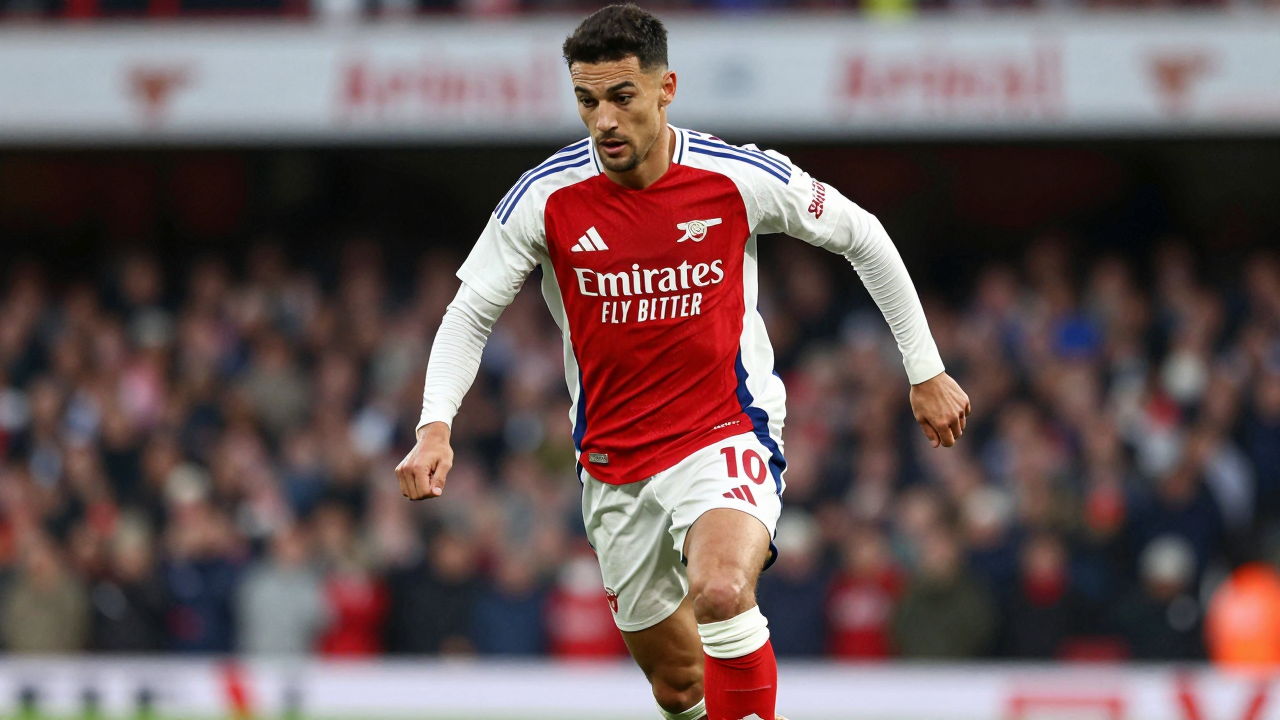
Mikel Arteta has predominantly employed a 4-2-3-1 formation, designed to provide both stability in midfield and flexibility in attack. The dual pivot of Declan Rice and Thomas Partey has allowed for a more robust defensive structure; however, it has also led to a slower buildup play at times. The full-backs, particularly Oleksandr Zinchenko and Ben White, often push high up the pitch, creating width and facilitating overloads on the flanks. This has worked well against teams that sit deep but has left gaps during transitions, exposing Arsenal to counter-attacks.
Suggested Tweaks
1. Fluidity in the Midfield
One of the key adjustments could involve altering the roles of Rice and Partey to add more dynamism in midfield. Instead of strictly adhering to their roles as a double pivot, encouraging one to break forward more frequently could disrupt opponent defensive lines. For instance, allowing Rice to venture forward while Partey stays back can create overloads in the attacking third, giving players like Martin Ødegaard and Bukayo Saka more options to exploit.
2. Wingers Cutting Inside
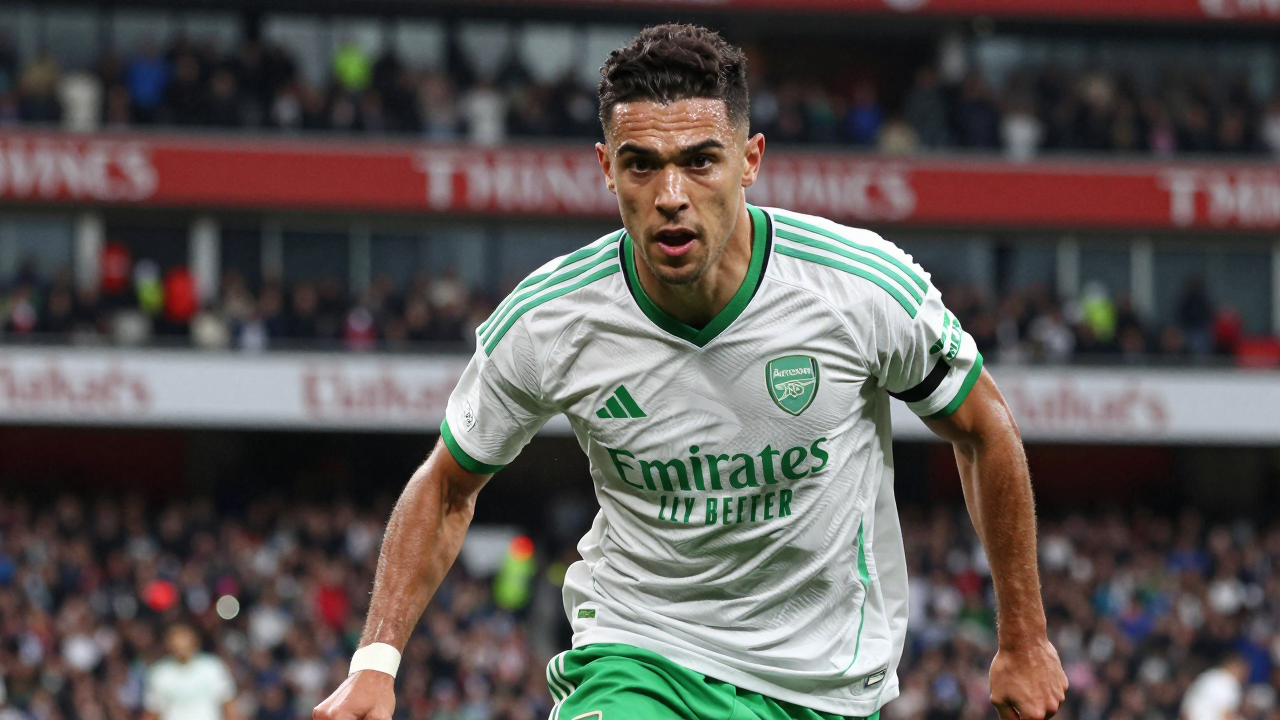
Currently, Arsenal's wingers (Saka and Leandro Trossard) tend to stay wide, which is effective for stretching defenses. However, encouraging them to cut inside more often can create additional goal-scoring opportunities. This tactical shift would not only open up space for overlapping runs from the full-backs but also draw defenders away from the center, allowing Gabriel Jesus more room to operate. A change to an asymmetric formation might be beneficial, perhaps with one winger maintaining width while the other drifts in.
3. Increased Pressing Intensity
While Arsenal has shown moments of high pressing, there have been games where the intensity has dropped, allowing opponents to build from the back. Increasing the pressing intensity, particularly in home matches, can disrupt opposition flow and create turnovers in dangerous areas. This requires a collective effort from the forwards and midfielders to engage opponents higher up the pitch. Implementing a structured pressing system will not only regain possession quickly but also energize the team's performance, reminiscent of Arteta's early days in charge.
Defensive Solidity
On the defensive side, the Gunners must address their vulnerability during transitions. As the full-backs push forward, the central defenders need to be more proactive in maintaining their shape. Implementing a more conservative approach against counter-attacks, such as having one midfielder drop back when the full-backs advance, can provide the necessary cover. Additionally, integrating a more zonal marking system during set-pieces could alleviate some of the defensive frailties that have plagued the team.
Conclusion
Arsenal possesses the talent to compete at the highest level, but tactical tweaks are essential for maximizing their potential. By injecting fluidity into the midfield, adjusting the wingers' roles, enhancing pressing dynamics, and solidifying defensive strategies, the Gunners can aim for a more consistent performance as they push for league success. Mikel Arteta’s tactical acumen will be tested in the coming weeks, and a proactive approach could see Arsenal reclaim their status as title contenders.